
1819
A town built on moving water.
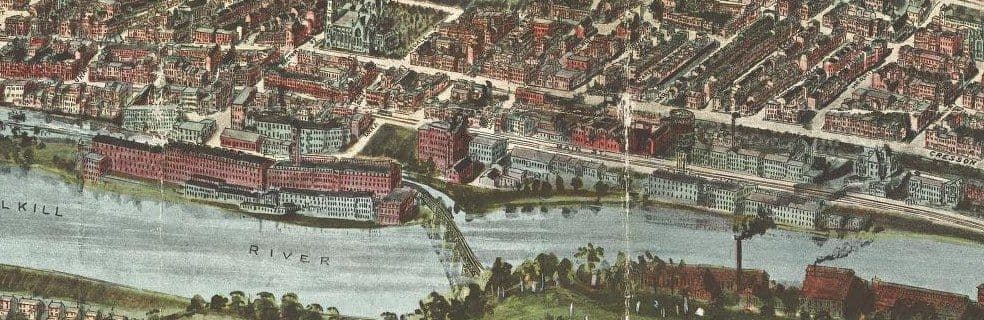
The Schuylkill canal brought water power, and the first mill opened in 1819. By the late 1820s Manayunk was called the "Manchester of America."5
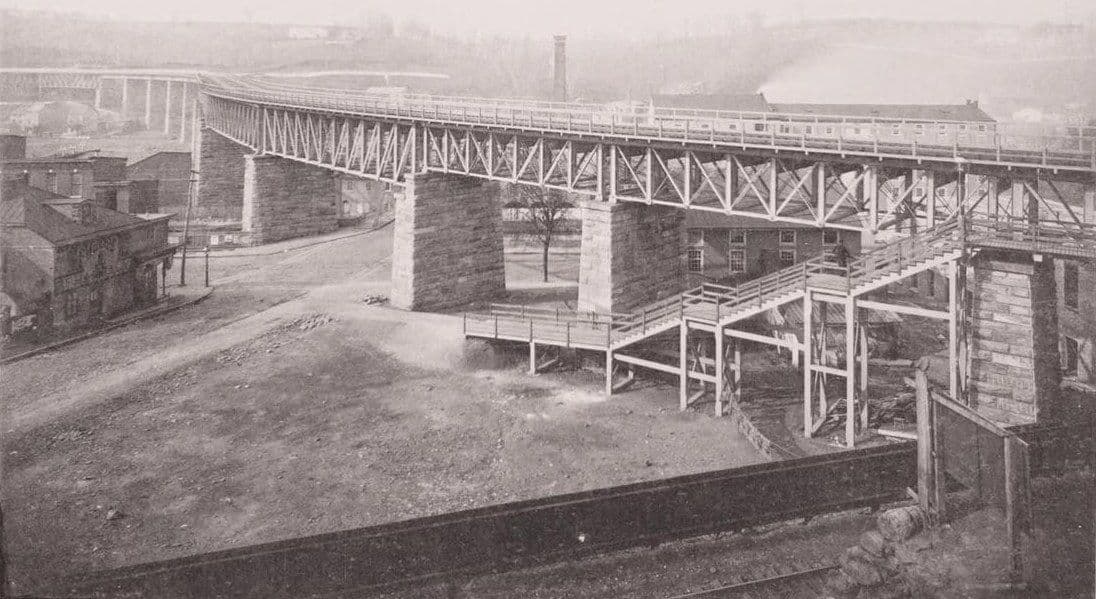
A trestle carries a load on many short spans, each frame doing its share. We named the company for that idea: many small checks, each written for one rule in one plan, carrying a claim safely from receipt to payment.
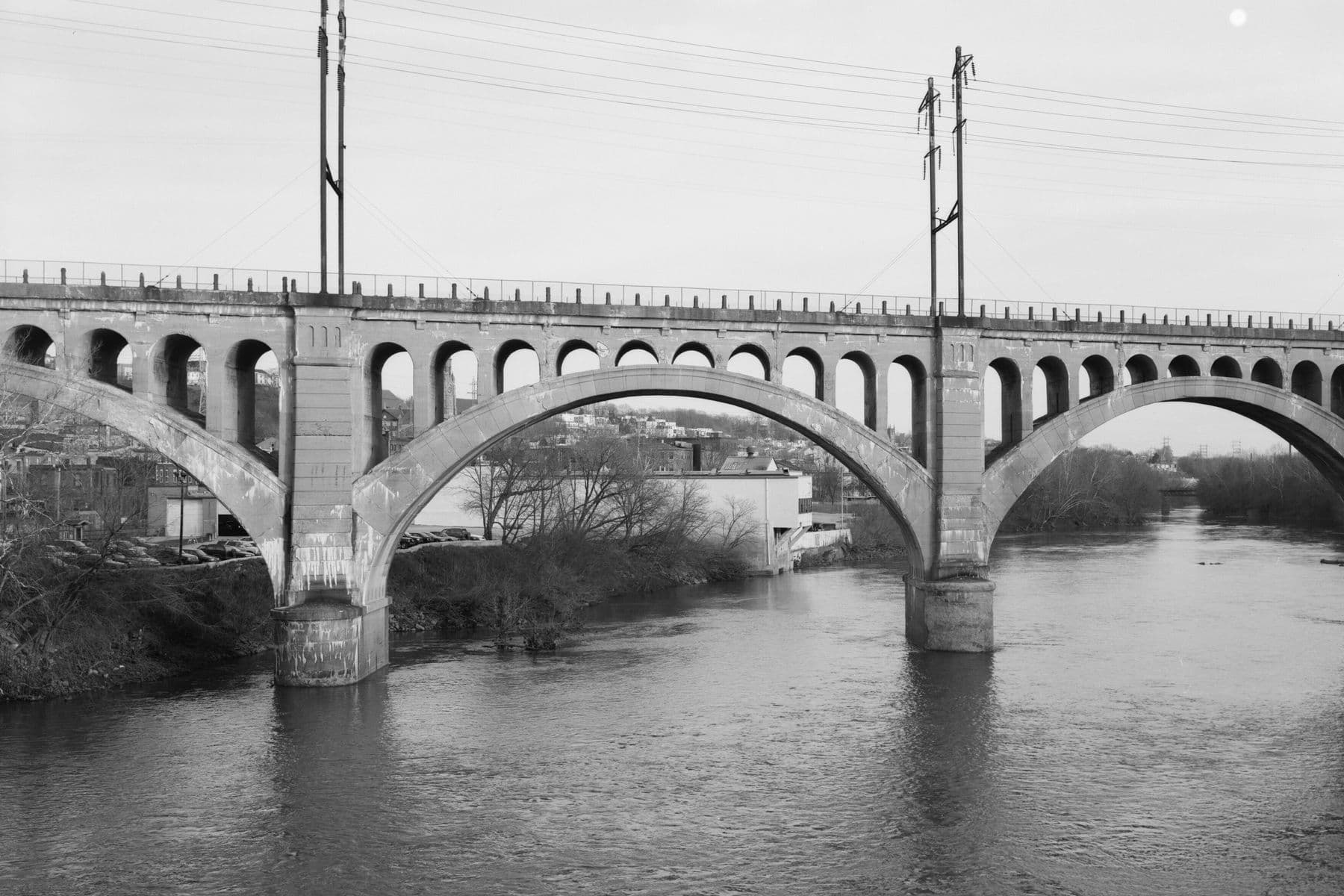
Our mark is the Manayunk Bridge, the concrete-arch viaduct that has crossed the Schuylkill since 1918. The name comes from the timber trestle that once ran down from its predecessor to the riverbank; the mark comes from the bridge that carries more.1,2,3,4
The Schuylkill canal brought water power, and the first mill opened in 1819. By the late 1820s Manayunk was called the "Manchester of America."5
The railroad reached Manayunk in 1884 on iron trusses over tall stone piers, laid on a reverse curve that gave it its local name, the "S" Bridge. From it, a timber trestle ran down a switchback to the Pencoyd iron mill on the riverbank.2,6,3,4
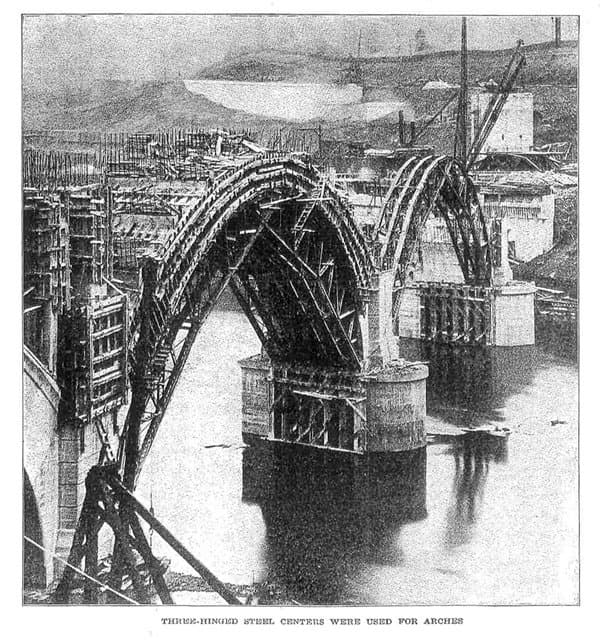
The railroad replaced the iron bridge "in order to run heavier trains." The three arches over the river span 150 feet each. Over every pier is a small balcony: a safety niche for track workers.2,7
Trains stopped crossing in October 1986. The seasons wore at its concrete, and SEPTA began recasting the surface in 1996.8,2
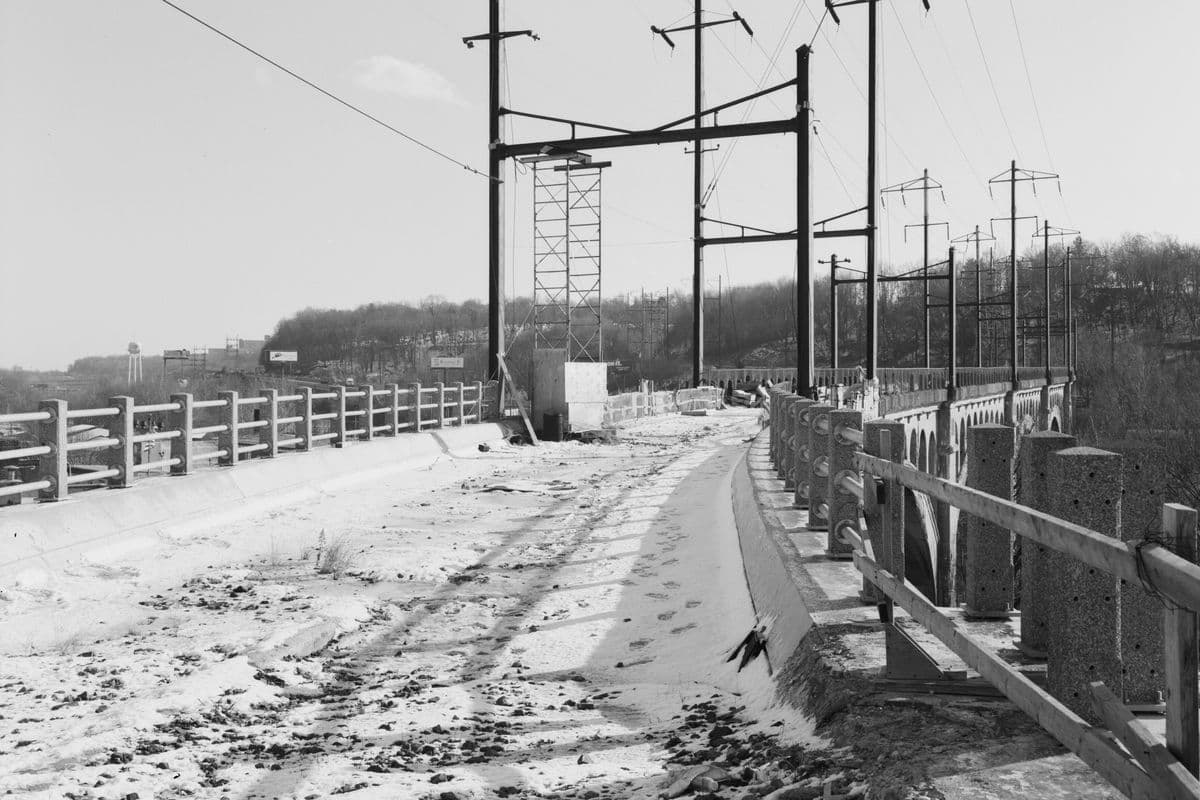
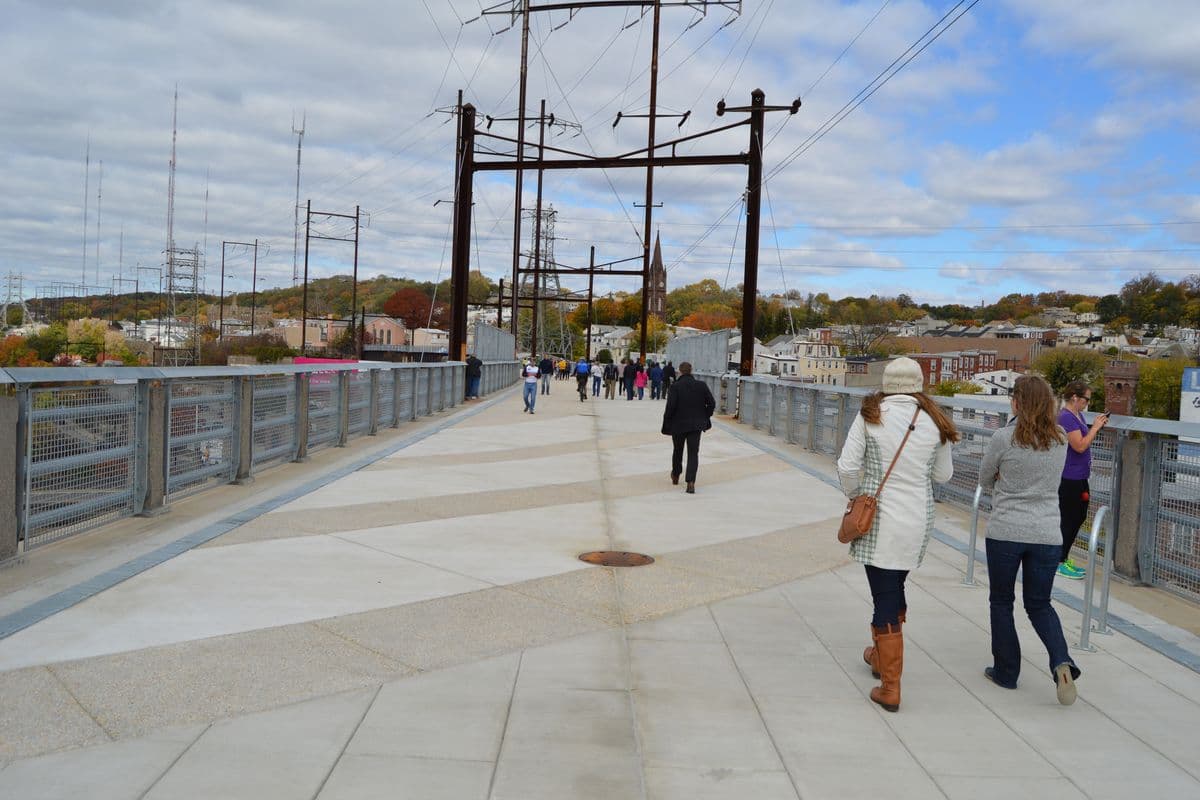
On October 30, 2015, it reopened as a trail between Lower Merion and Manayunk. A painted line at mid-span marks where Philadelphia ends and Montgomery County begins.9,10
Trestl was founded in Philadelphia in 2025 to check each supplemental health claim against the member’s plan before it is paid.
Our checks are written for supplemental health’s fixed benefits, not borrowed from major medical.
Every finding shows its reason, before payment instead of after.
Your examiners make every payment decision.
Carrier and administrator see the same evidence, and underpayments are flagged as well as overpayments.

“I came into this work thinking claims payment was a solved problem. Four years in, I’m still surprised how much is left to fix.”
An actuary by training, Kolton has spent four years in health insurance analytics. He started Trestl to check every supplemental health claim against the member’s plan before it is paid, so errors are stopped once instead of chased later.
He grew up in Columbus, Indiana, a town built around engineering, where even the bridges are engineered with care. He studied at Indiana University Bloomington, and now wants to engineer better solutions in healthcare, where there is still a lot of room to make things better.
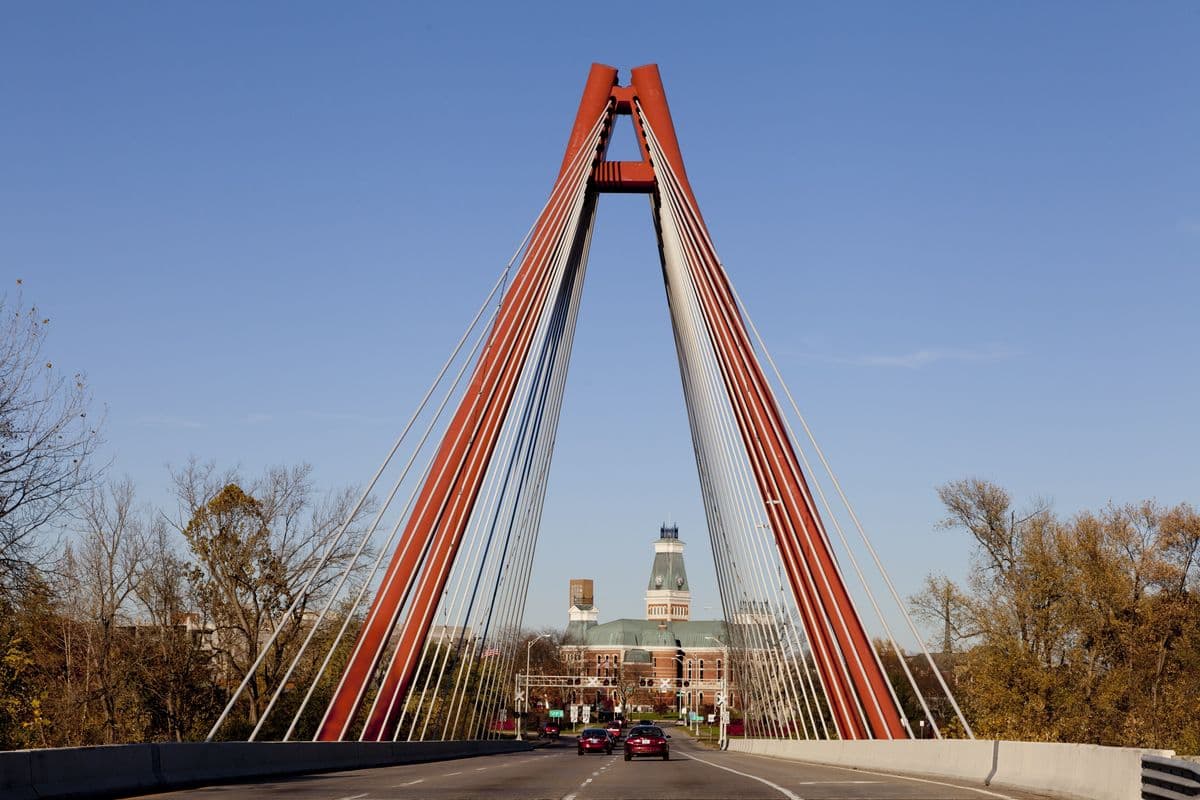
Columbus is a town built around engineering and home to Cummins. Growing up around engineers, Kolton saw how careful engineering makes everyday things work, the Robert N. Stewart Bridge among them. Trestl brings the same thinking to claims: engineer the check, so the payment comes out right.
The Robert N. Stewart Bridge, Columbus, Indiana. Photo: Carol M. Highsmith, Library of Congress (public domain).
You pay only for findings your team approves.
A finding your team rejects or fully overrides before it is invoiced is never billed; a partly adjusted finding bills only the amount your team confirms.
Every finding shows its reason.
Your examiners review exceptions, not every claim.
A carrier’s void or reversal is recorded as a correction
and never billed as a new finding.
A first call about your lines and how claims move today. No claim files or health information needed.